Introduction
Stress is common in our day to day life and today it has been learned by so many people just only because the hustle of fast age. People may feel overwhelmed and drained by work responsibilities, family obligations, financial problems, and the all-pervasive reach of our digital lives. Certainly, a little stress is good but continued stress has harmful effects on both body and mind. Yoga is a holistic, natural stress management program that integrates movement, breath regulation and mindfulness practice. Yoga helps calm your mind, relax your body and improves well-being through its regular practice. Just by adding some simple yoga techniques to your daily routine, you will become tougher as a person in times of trouble and be able to lead a much more well-rounded life.
How is Yoga Related to Stress Relief?
Yoga responds to that by turning on the body’s care response it antagonizes stress. When under stress, our body releases stress hormones cortisol and adrenaline, causing heart rate to rise muscle tension resulting in fatigue. Because yoga focuses on breath and conscious movement, the stress response is mitigated. Thus providing you with calm and connecting yourself with the moment and allowing yourself to take a break; With continued practice, one should be more emotionally stable, less distracted, and have a greater mental well-being.
Deep Breathing Techniques
Perhaps one of the easiest but also most effective yoga methods for relieving stress is deep breathing (Pranayama). Slower rhythm, deep breathing can slow heart rate and relax the nervous system. One widely used method is called diaphragmatic breathing, which involves inhaling slowly through the nose (to allow expansion of the abdomen) and exhaling gently through your mouth or nose. Taking a few moments each day to practice this can help reduce anxiety and cultivate a sense of tranquility. A simple yet equally powerful technique is alternate nostril breathing, this works on balancing energy levels and improving mental clarity. Regular practice of breathwork can dramatically reduce stress and promote emotional health.
Gentle Yoga Poses for Relaxation
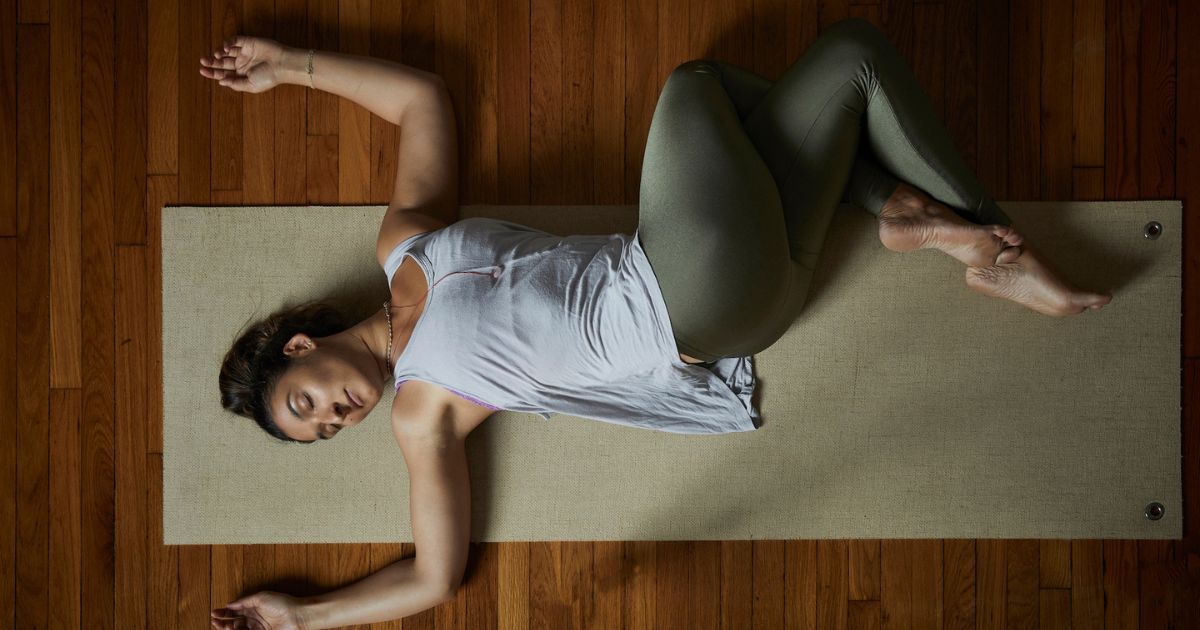
Some yoga poses are more effective at releasing tension and promoting relaxation than others. One option is Child’s Pose a resting position that allows you to gently stretch the back, hips and shoulders while taking deep breaths. The Cat-Cow Pose is centered on releasing the tension in your spine and increasing flexibility making it perfect for the physical aspect of stress release. Another gently grounding pose, Legs-Up-the-Wall Pose allows for increased circulation and even wipes away fatigue. Forward bends are calming for the mind and relieving for those knots about which we readily forget. By practicing these gentle poses, peace and physical comfort may be attained through repeated practice.
Mindfulness and Meditation in Yoga
When you practice yoga, mindfulness is a part of it that helps in dealing with day-to-day stress. This practice requires you to learn how to bring your concentration back into the present moment, focusing only on your breathing and movements, not thinking about what happened yesterday or what will happen tomorrow during a yoga session. Such awareness clears the mind, and will contribute to better emotional balance. Typically included with yoga, meditation helps keep the body relaxed by training the mind to stay calm and attentive. The good thing is that even five to ten minutes of meditating every day can decrease burnout, increase focus and gently reprogram your mind for an overall happier perspective.
Creating a Daily Yoga Routine
To use yoga to ease your stress, being able to bring consistency is important. A basic daily routine does not take much time. Gentle stretches, breathing and mindfulness ideas for ten to fifteen minutes will make a huge impact. Morning yoga can prepare us for a wonderful day ahead, while evening practices will ease bad energies and build calm and sleep quality. A great way of doing that is by keeping have a silent place and do this daily to create sustainable habits for long term stress management.
Benefits Beyond Stress Reduction
But apart from reducing stress, yoga has a lot of benefits for physical and mental health. They enhance the awareness of total body while improving flexibility, strength, posture and balance. Yoga sleep yoga also improves energy and mood. In fact, most people find that through rewiring their minds to practice things more regularly they will likely become much more patient, self aware and emotionally resilient. These advantages highlight the importance of yoga in establishing and maintaining health to better manage our lives.
Conclusion
Yoga can be used as a holistic approach to help with daily stressors through movement, breathing, and mindful living. With practices like progressive muscle relaxation, gentle yoga poses, and meditation, they can decrease tension, enhance focus and have more peace of mind. When yoga becomes a daily part of life, it is easier to face challenges calmly and confidently.
Related Posts

Backbend yoga for beginners
It is impossible to beat a backbend that gradually crescendos…
How to Start a Yoga Practice at Home
The Advantages of Doing Yoga at Home Practicing yoga at…
The Benefits of Yoga for First-Time Practitioners
Introduction Yoga is was an ancient practice of physical postures,…