Introduction
In fact, after a long day of work, responsibility and continuous action the body and mind need to have some time for leisure. Doing a yoga evening class is one of the best ways to let go of physical tension, reduce mental stress and set yourself up for bed time relaxation. Evening yoga is a softer and calmer practice compared to hard-core intense workouts focusing on gentle movement, breathing techniques and calm relaxation. Evening yoga is awesome for driving you into your cool, calmer and balanced self and helping with overall muscle relaxations, flexibility, relieving soreness after a long day & inducing a state of inner-peace.
Benefits of Evening Yoga
There are many benefits of evening yoga for physical and mental well-being. Over the course of the day, stress builds up in muscles especially those around the neck, shoulders, back and hips. Gentle stretching yoga helps to release this tension and improve circulation, which leads to a better recovery of the body. Another reason yoga increases respiration is because it taps into the parasympathetic nervous system, which is our body’s natural relaxing response. This will help reduce stress levels, calm anxiety and allow good conditions for deep sleep.
Regular evening yoga practice also improves your posture, increases flexibility and helps alleviate strain caused by long hours of sitting. Yoga can offer long-term benefits whether you are an athlete searching for recovery or a casual person looking to wind down at the end of your day.
Begin with Mindful Breathing
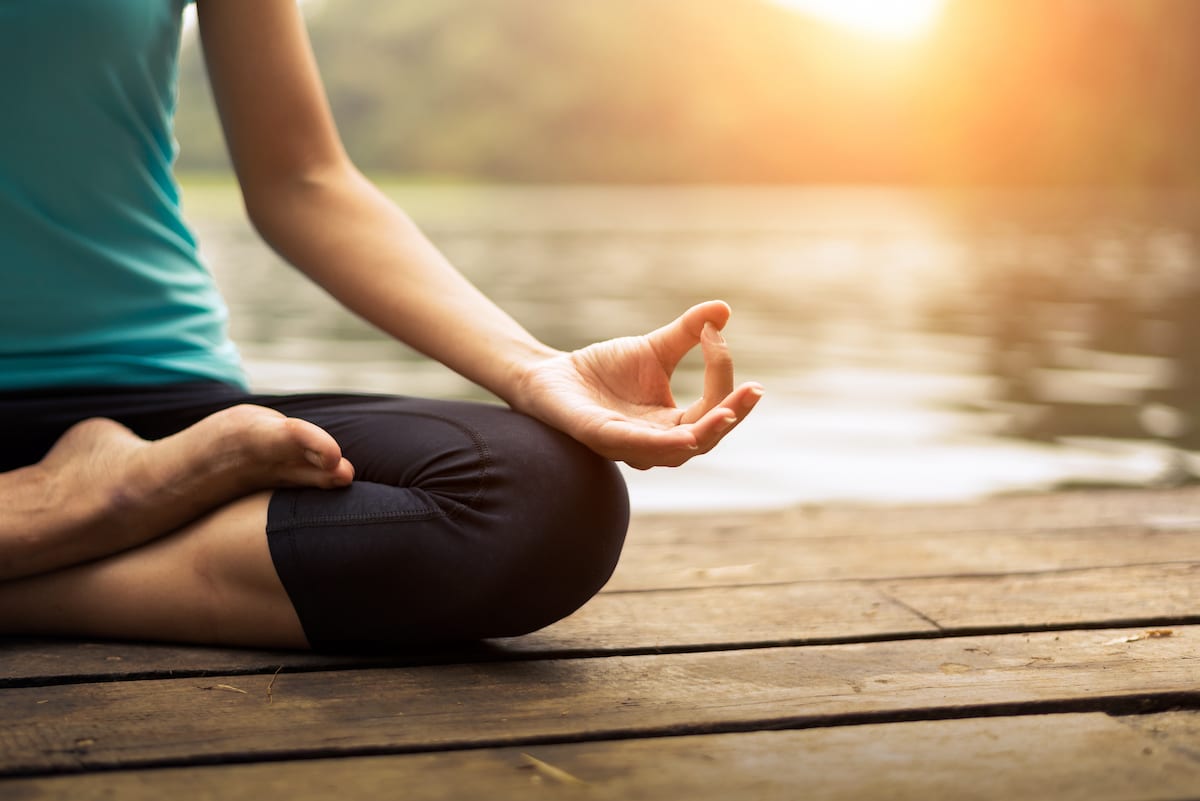
Establish your evening yoga practice by sitting down in a comfortable position. Take a few minutes shut your eyes and concentrate on your breathing. Take slowly inhale with nose 100% into your lungs and exhale at ease from mouth. For a few minutes, maintain this deep breathing.
With the help of mindful breathing, you can shift your attention from daily chores to being present in the moment. Also, it helps your body to know that is time to rest and slow down. This is a very simple practice, preparing the body for restorative yoga.
Gentle Stretches for Full-Body Relaxation
Once you are grounded in your breath, come into easy stretches that relieve tension from the body. Starting with a seated forward fold, feet toward yourself moving slowly and comfortable with yourself. It helps elongate the spine and soothe those tight hamstrings.
Then, do a gentle twist to each side at your spine to loosen your back and get rid of stiffness. It promotes circulation and relaxes the muscles from sitting for a longer period of time.
Evening yoga cat-cow stretches another great pose to add during the evening yoga practice switching between arch and round spine facilitates better flexibility while relieving stress in the neck and back. Work through these movements slowly, matching them with your breath.
Hip and Lower Back Recovery
After a long day, the hips and lower back are heavy with tension. Using poses like child’s pose and reclining figure four are especially good for loosening up those tight areas. Child’s pose releases the lower back muscles and promotes relaxation and deep breathing. Reclining figure four is a great stretch for the hips after being seated for too long.
You can maintain these poses for both several breaths, in this way the tension of the muscles is released gradually and in a non-straining way. Breathe easy and feel yourself soften with each breath out.
Restorative Poses for Deep Relaxation
Once your practice evolves, shift into rests postures intended to soothe the nervous system. Widely practiced as Legs-Up the Wall Pose, this is a simple yet effective posture to keep the blood circulating and reduce swelling in the legs so that more wellbeing can take place while encouraging relaxation. Such a pose is especially good for people who stand at work.
The alternative restorative posture is (with the soles of your feet together but lying on your back) Supine Bound Angle Pose. This release opens and moves the body into a relaxed state.
They involve little muscle effort, which means you can actually let go and unwind.
End with Savasana
You bring your home practice to a close with Savasana (Corpse Pose). Be lying on your back, arms to the sides with closed eyes. The actual act of allowing your entire body to relax.
Breathmore and let any residual tensions go. Enable your body some time to soak up the advantages of your observe by remaining this way for five–10 minutes. Savasana is for deep relaxation and gets you in the mood to sleep well.
Conclusion
Doing a light evening yoga routine is another simple and powerful way for you to achieve recovery. By using the techniques of conscious breathing, gentle stretches, restorative postures, and restful relaxation yoga you can release stress. Even a few minutes each night spent on this relaxing skill can turn your bedtime routine into an opportunity for wellbeing, aiding recovery and waking up restored, ready to face another day.
Related Posts

Do you need to practice yoga inversions while pregnant?
For many, inversions (turning yourself upside down) are a favorite…
The Connection Between Yoga and Mindfulness
Introduction Yoga and mindfulness have emerged as worldwide fads to…

You can improve your balance by standing in these six yoga poses
Balance is not something we think much about in our…